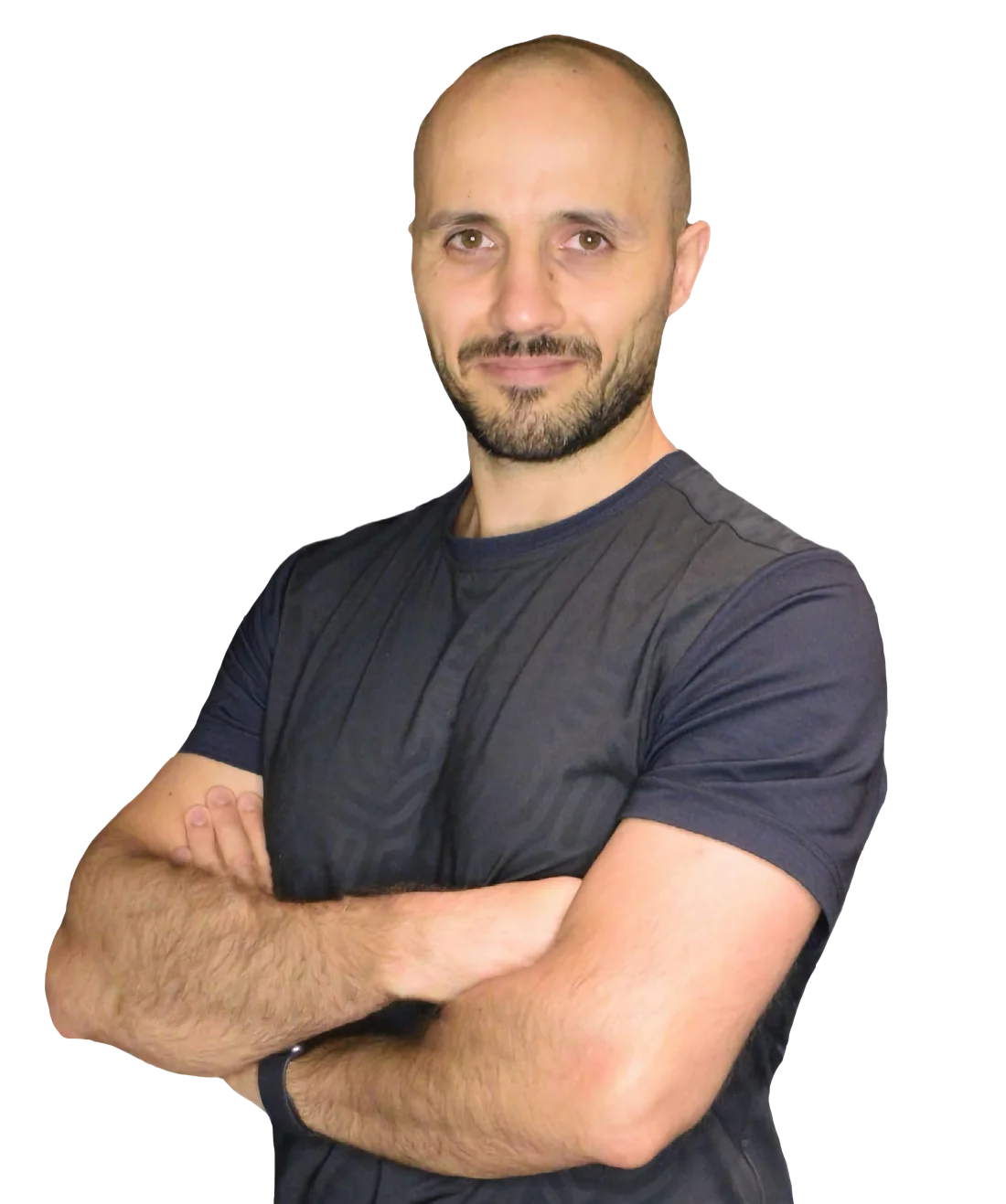
Methodist
 Yearsof coaching — to build a system that helps you train:
30+
exercises
with technique breakdown
with technique breakdown
3
depth
levels
levels
0%
client
injuries
injuries
The technique, biomechanics, and functional anatomy of every movement — for those who train on their own, for trainers, and for entire clubs.
Yearsof coaching — to build a system that helps you train:
Want to train without a coach but afraid of doing something wrong? Get a precise step-by-step algorithm for technique and equipment setup — and train with confidence from day one.
You train others, but you want an unshakable foundation: biomechanics, functional anatomy, and algorithms for teaching every movement. That is what separates a master from someone who merely "shows exercises".
Not training "a single coach", but a system for the whole gym: selection, training, quality control, and a unified methodology. The club starts selling the methodology, not an individual specialist.
I implement a unified methodological standard in the club — the same thing I do as the methodist of the World Class Azerbaijan gym. Tap to expand each element:
Found a question you're interested in? Tap it — and get a detailed answer.
The courses are designed for three audiences: people who want to train on their own without pain and injury; trainers who need a professional foundation of knowledge; and fitness clubs striving for a unified quality standard. The "Start" package is ideal for beginners; "Advanced" and "Maximum" are for trainers and experienced athletes.
No. The "Start" package is designed for complete beginners — no prior preparation is required. For the "Advanced" and "Maximum" packages, basic familiarity with the gym helps, but even without it everything is explained from scratch, step by step, and clearly.
The main difference is a system, not tips. YouTube gives fragments. CTS gives a complete methodology: from functional anatomy to algorithms for setting technique and designing programs. 18+ years of experience are structured into a coherent course that takes you from "why exactly this way" to "how to apply it right now".
Pre-stretch is a set of stretching exercises that prepare your muscles, ligaments, and tendons for the work ahead. They sharply increase nervous-system activity and expand the usable range of motion. Each exercise targets a specific muscle group with biomechanics and anatomy in mind. The result: greater efficiency of every exercise, lower injury risk, and better movement quality.
At your next session. The material is built so that each module gives a concrete tool you apply right away. Learned squat technique — use it today; machine setup — use it tomorrow. No long theory without practice.
Yes. Upon completing the "Advanced" and "Maximum" packages, a CTS Fitness School certificate confirming course completion is issued — for trainers this is a qualification document in biomechanics and functional anatomy.
Currently, training is held in person. The course start, a convenient time, and the gym are arranged individually with the methodist — we'll choose a format that fits your schedule.
Payment by bank card (Visa, Mastercard), by bank transfer, and via popular payment systems. Clarify the details in your request.
After you send a request, we contact you, study the club's needs, and put together an individual training program for the coaching staff. The format is in person, at the club. At the end, staff assessment is carried out. Pricing is calculated based on team size and format. Send a request — we'll prepare a commercial proposal within 24 hours.
The corporate program includes: training of the entire coaching staff in the CTS methodology, development of unified technique standards for the club, corporate methodological materials, staff assessment at the end of the course, and post-training support. Each club gets a unique solution for its needs.
Real stories from those already training with the CTS methodology.
Every workout used to end with knee pain, and I was sure the gym just wasn't for me. I signed up for the Start package almost out of desperation. Within the first week I realised how wrongly I'd been setting up the machines. Now I have a clear algorithm for every exercise. I understand which muscle is working and why. The knee pain is completely gone. I finally train with pleasure instead of forcing myself. And, surprisingly, results came faster than before.
I've trained for over five years and was certain my squat technique was flawless. It turned out I'd been loading my lower back instead of my legs for years. The technique breakdown opened my eyes in a single session. The equipment setup for my height and leverage impressed me separately. The same weights now feel completely different. The load goes exactly where it should. My shoulders stopped hurting after presses. My only regret is not finding this sooner.
I was very shy about training in the gym and afraid of doing something wrong in front of everyone. The Start package gave me a foundation: I know in advance how to set up a machine and where to begin. I can rewatch the video for each movement right before a set. The back pain from my desk job stopped within a month. I gained confidence and stopped hiding in the corner of the gym. Now I calmly walk up to any machine. It's a completely different quality of life.
In 20 years of work I've taken dozens of courses, but most gave scattered tricks. Here biomechanics came together into a complete system for the first time. I stopped just telling a client 'do it this way' — now I explain why this way. That instantly removes half the objections. Clients trust more when they understand the logic of a movement. Functional anatomy helped me remove compensations I hadn't noticed before. People's results started coming noticeably faster. For me it was a professional leap, not just another certificate for the wall.
I always lacked a clear sequence for setting technique. I'd take on a new client and act on intuition. Now I have an algorithm for every movement, and my work has become predictable. I fell in love with the pre-stretch separately — I'd never seen it anywhere else. Clients themselves note that moving has become easier and freer. Injuries in my sessions have dropped noticeably. I feel far more confident as a specialist. And clients stay for the long term.
I completed the full Maximum package, and I can say it's a level you won't find in open sources. Plateau-free programming transformed my approach to planning. My clients used to hit a ceiling; now progress is steady. Functional anatomy gave me the depth of understanding I was missing. I look at even basic exercises differently now. The CTS certificate really sets me apart from colleagues at the club. People started signing up with me on recommendations. The investment paid off within a couple of months.
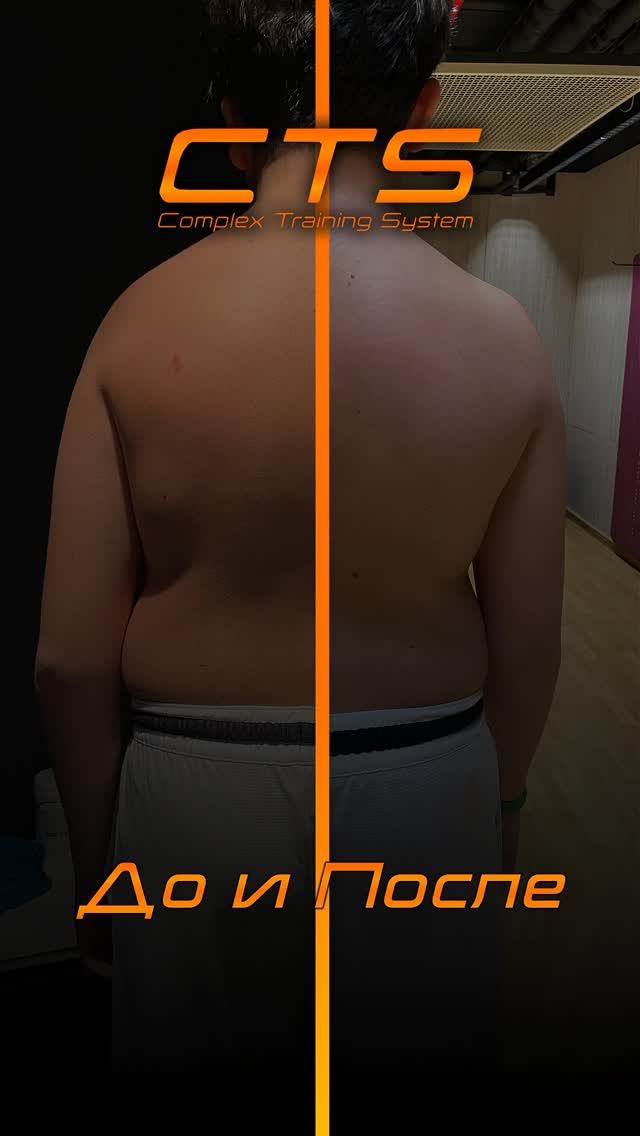
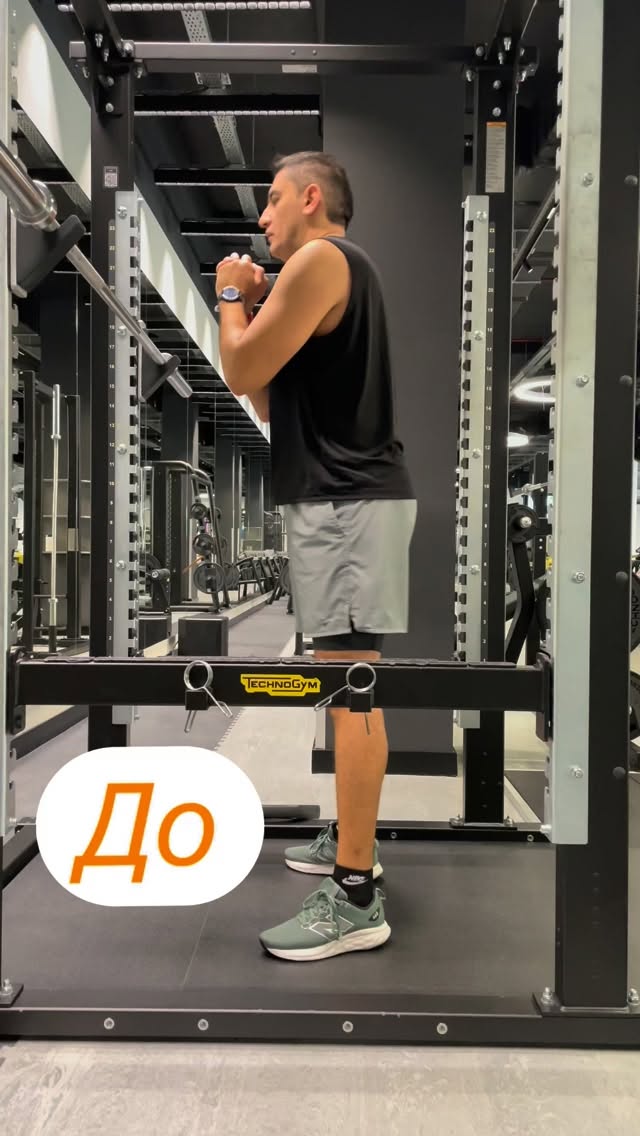
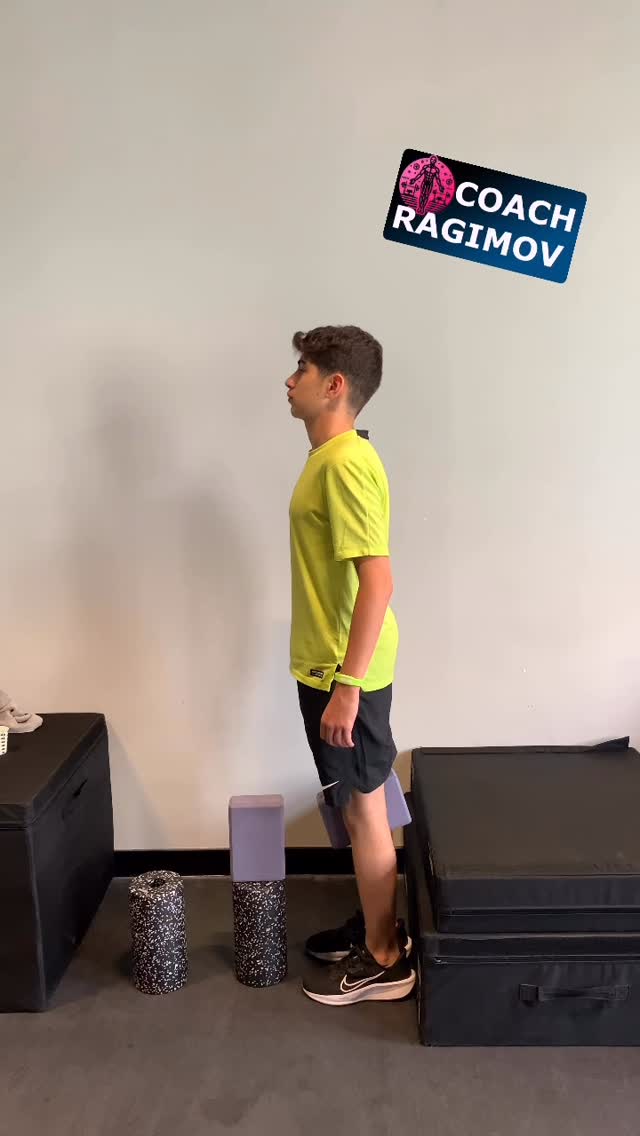
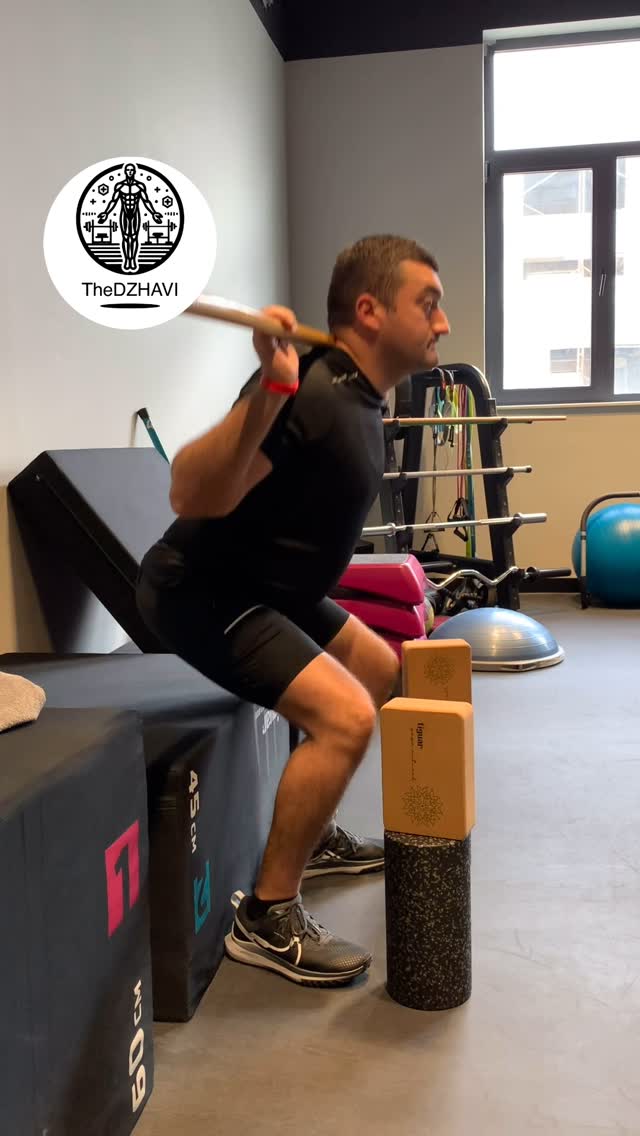
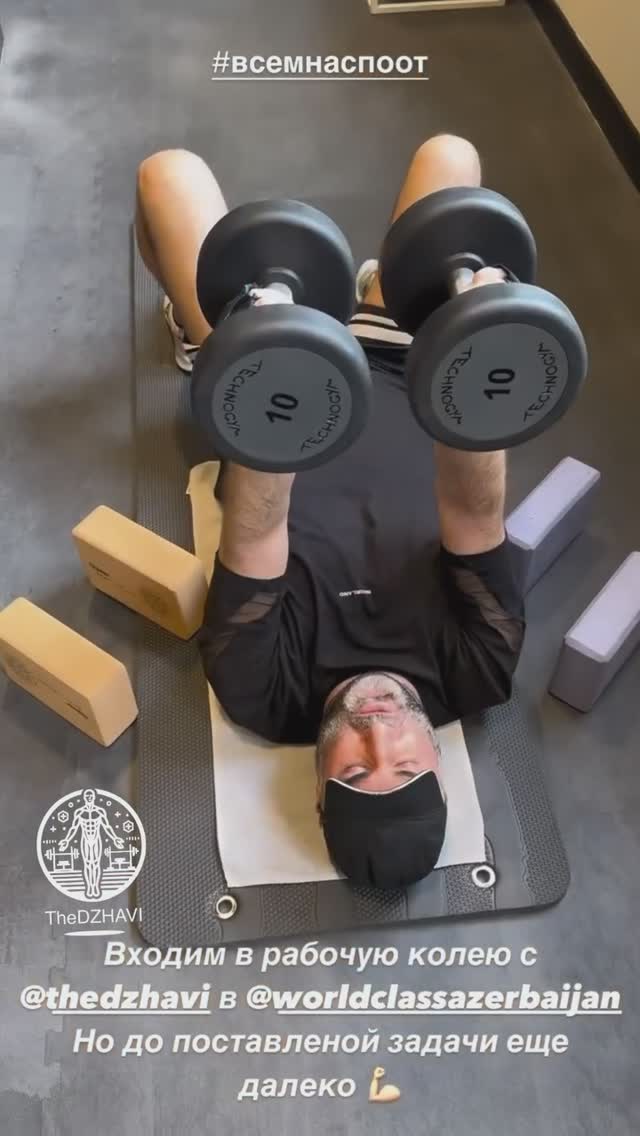
Biomechanics, technique, anatomy, and recovery — in plain language. Knowledge from a methodist's practice that you can apply at your very next session.
to train without pain or injury
Thank you! I'll get in touch with you shortly.